iBeta Datasets
Comprehensive iBeta dataset collection for liveness detection
Updated 20.04.26
by Axon Labs
Axon Labs iBeta datasets are biometric video collections designed to help face recognition and liveness detection systems pass iBeta Level 1, Level 2, and Level 3 certification. Each dataset provides presentation attack samples: paper masks, print attacks, video replay, 3D masks, silicone masks, cutout attacks, compliant with the ISO/IEC 30107-3 standard for anti-spoofing testing. Used by fintech, eKYC, and identity verification companies worldwide, our iBeta datasets accelerate biometric system development from prototype to PAD-certified production. Whether you need basic Level 1 anti-spoofing data for mid-tier KYC apps or advanced Level 3 rubber mask detection samples for high-security applications, this collection covers every certification path

iBeta Level 1 Dataset
– 35,000+ videos
– 85+ participants
– zoom in and
zoom out
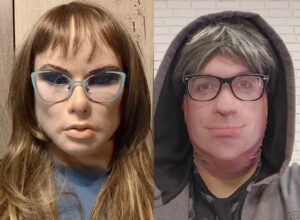
iBeta Level 2 Dataset
– 25 000+ videos
– 3D masks
– iBeta Level 2

iBeta Level 3 Dataset
– 10,000+ videos
– 12 Unique Masks
– iBeta Level 3
What is an iBeta Dataset?
iBeta Quality Assurance is an independent biometric testing laboratory accredited by NIST NVLAP (National Voluntary Laboratory Accreditation Program). iBeta evaluates biometric systems against international standards, most notably ISO/IEC 30107-3 – the standard that defines methodologies for testing biometric Presentation Attack Detection (PAD)
An iBeta dataset is a training and validation collection specifically structured to prepare a biometric system for iBeta PAD testing. The dataset contains both bona fide (genuine live face) samples and a comprehensive set of presentation attack instruments (PAIs): printed photos, paper masks, video replay attacks, 3D masks, silicone masks, and others. By training face recognition and liveness detection models on iBeta-aligned data, biometric vendors significantly improve their chances of passing PAD certification on first attempt
iBeta Levels Compared: L1 vs L2 vs L3
Choosing the right iBeta dataset starts with understanding the three certification levels. Each level corresponds to a progressively more sophisticated set of presentation attacks and stricter PAD performance requirements measured by APCER (Attack Presentation Classification Error Rate), BPCER (Bona Fide Presentation Classification Error Rate), and IAPMR (Impostor Attack Presentation Match Rate)
|
Level
|
Typical attacker sophistication
|
PAI cost limit
|
Time limit
|
Test volume
|
APCER limit
|
BPCER limit
|
|---|---|---|---|---|---|---|
|
1
|
Simple attacks: printed photo, image on a screen
|
≤ 30 USD
|
8 h per PAI
|
6 types × 150 attacks + 50 bona-fide (≈ 900 attempts)
|
0%
|
≤ 15%
|
|
2
|
Medium complexity: dynamic video, 3D prints, latex/silicone masks
|
≤ 300 USD
|
≤ 24 h per PAI; total 2–4 days per type
|
5 types × 150 = 750 attacks + 250 bona-fide
|
≤ 1%
|
≤ 15%
|
|
3
|
Targeted high-end attacks: custom hyper-realistic masks, controlled scene (lighting, background, motion)
|
No fixed limit; budget agreed per system
|
Time and conditions set individually
|
Parameters defined ad hoc; PASS/FAIL evaluation
|
≈ 0% (strict PASS/FAIL)
|
≤ 10%
|
Beyond attack difficulty, the levels differ in IAPMR requirements and the sophistication of testing. Level 1 establishes baseline anti-spoofing competence: adequate for most consumer fintech and eKYC applications. Level 2 introduces 3D structures and active liveness scenarios required by regulated banking and government identity programs. Level 3, the newest tier, demands defense against premium rubber masks and ultra-realistic 3D mask attacks
iBeta Level 1 Dataset Overview
The Axon Labs iBeta Level 1 Dataset contains 35,000+ attack videos covering all 2D presentation attack categories required for iBeta PAD Level 1 certification. The dataset includes paper mask attacks, print attacks (both photo prints and printed document scans), cutout paper attacks, smartphone replay attacks (recorded on iPhone and Android devices), and PC replay attacks (laptop and monitor screens)
Captured from 85+ unique participants with multi-ethnic demographic representation (Caucasian, African, Asian, Latin American, Middle Eastern), the dataset provides demographic balance to reduce bias risk in trained models. Capture devices include iPhone 14, iPhone 13 Pro, Samsung Galaxy S23, Google Pixel 7, plus several Android mid-range models, ensuring training data reflects the actual hardware your end users employ. Active liveness scenarios: head turns, zoom phases, natural blinking, are embedded in capture protocols
This dataset is the standard starting point for biometric vendors targeting consumer fintech, eKYC platforms, mobile identity verification, and remote onboarding systems. It maps directly to iBeta Level 1 PAD test categories and includes corresponding bona fide samples to maintain training distribution balance
iBeta Level 2 Dataset Overview
The Axon Labs iBeta Level 2 Dataset extends Level 1 coverage with 25,000+ attack videos across five 3D and advanced attack categories: silicone masks, latex masks, wrapped 3D paper masks (paper structures wrapped to create depth), advanced paper masks (with eyeholes for active liveness defeat), and cloth 3D masks
Captured from 150+ participants with balanced gender distribution and multi-ethnic representation (Caucasian, African, Asian, Latin American), the dataset spans iPhone 14, iPhone 14 Pro, iPhone 13 Pro, Samsung Galaxy S23, Google Pixel 7, Xiaomi Redmi Note 12 Pro+, Samsung Galaxy A54, and Honor 70, covering modern iOS and Android capture pipelines. The capture protocol explicitly includes active liveness instructions (head rotations, zoom in/out, blinking) to evaluate model performance under behavioral verification scenarios
iBeta Level 2 datasets are required by banks pursuing identity verification certification in regulated jurisdictions, fintech platforms with high-value transaction flows, and government identity programs. The dataset complies with ISO/IEC 30107-3 Level 2 PAD protocol requirements
iBeta Level 3 Dataset Overview
iBeta Level 3 PAD certification was introduced as the new top-tier biometric standard in 2026, with Incode being the first vendor to achieve Level 3 certification. The Axon Labs iBeta Level 3 Dataset contains 10,000+ attack videos featuring high-fidelity 3D masks engineered to closely resemble human faces in texture, color, structure, and sub-surface scattering properties
Defending against Level 3 attacks requires the most sophisticated liveness detection models trained on equivalently sophisticated data. The dataset is captured under ISO/IEC 30107-3 Level 3 protocol conditions, with multi-angle capture and lighting variations specifically designed to test model robustness against premium attacks. Demographics are balanced across different ethnic groups to ensure equitable model performance
iBeta Level 3 certification is pursued by top-tier biometric vendors building flagship products, government identity programs (national eID, border control), private banking and wealth management identity systems, and defense applications. Achieving Level 3 certification is a meaningful market differentiator in 2026 and beyond
How to Choose the Right iBeta Dataset
Selecting the appropriate iBeta dataset depends on your use case, regulatory requirements, and threat model. Use this decision guide:
• You are building mid-tier KYC apps or consumer onboarding flows
• Your use case involves standard identity verification with low transaction values
• You need fast time-to-certification with reasonable budget
• Your regulator requires baseline PAD compliance (most consumer fintech)
• You serve regulated banks, fintech platforms with high-value transactions, or government clients
• Your fraud prevention strategy must defend against sophisticated 3D attacks
• Your competitors have achieved or are pursuing Level 2 certification
• Your eKYC platform handles politically exposed persons or wealth management clients
• You target government identity programs, defense, or top-tier financial applications
• Your threat model includes high-level attackers using premium rubber masks
• Level 3 certification is positioned as a key market differentiator
• You serve identity verification clients in jurisdictions adopting next-generation standards in 2026 and beyond
Many companies pursue iBeta certification incrementally: starting with Level 1, then upgrading to Level 2 as product matures, and reaching Level 3 once threat models demand it. Axon Labs supports this progression with cross-level compatible datasets and bundle pricing for sequential certification
How iBeta Datasets Are Collected and Validated
Axon Labs iBeta datasets are captured under controlled protocols designed to match real-world biometric system deployment conditions:
- Demographics: Multi-ethnic representation including Caucasian, African, Asian, and Latin American participants with balanced gender distribution. Age range spans 18 to 65, addressing demographic fairness requirements in modern biometric AI
- Capture devices: Modern iOS devices (iPhone 14, iPhone 14 Pro, iPhone 13 Pro, iPad), Google Pixel (Pixel 7), Samsung Galaxy (S23, A54), and other Android handsets. Both selfie and back camera capture supported
- Environmental conditions: Indoor and outdoor capture, multiple lighting conditions (well-lit, low-light, mixed lighting, backlit), various background scenarios
- Licensing: All datasets include commercial licenses with clear terms. All subjects provided explicit GDPR-compliant consent for AI training and evaluation use
Where to Buy iBeta Datasets
Direct commercial license via axonlab.ai – full commercial usage, fastest delivery (1–3 business days), custom subset support
Hugging Face samples:
Kaggle samples:
Frequently asked questions
iBeta certification is an independent evaluation of biometric systems against ISO/IEC 30107-3 standards for Presentation Attack Detection (PAD). iBeta Quality Assurance is accredited by NIST NVLAP and provides three certification levels (L1, L2, L3) corresponding to increasing attack difficulty
iBeta Level 1 covers 2D presentation attacks (paper, photo prints, video replay). Level 2 adds 3D mask attacks (silicone, latex, wrapped paper). Level 3 covers high-fidelity premium attacks (advanced rubber masks, ultra-realistic 3D). Each level has progressively stricter APCER, BPCER, and IAPMR requirements
ISO/IEC 30107-3 is the international standard defining methodologies for testing biometric Presentation Attack Detection (PAD) systems. It specifies metrics like APCER, BPCER, and IAPMR, and is the standard against which iBeta certification is conducted
Yes. To pass iBeta PAD testing, your liveness detection model must defend against a wide range of attack types under controlled conditions. Models trained only on narrow public datasets typically fail certification. Commercial iBeta datasets provide the breadth and quality required to meet APCER and BPCER thresholds
APCER (Attack Presentation Classification Error Rate) measures the proportion of attack presentations incorrectly classified as bona fide. BPCER (Bona Fide Presentation Classification Error Rate) measures the proportion of bona fide presentations incorrectly classified as attacks. iBeta certification requires specific APCER/BPCER thresholds depending on level. IAPMR (Impostor Attack Presentation Match Rate) is also evaluated for certain configurations
iBeta certification typically takes 4–12 weeks from initial submission to final report, depending on level and queue. Preparation time using a quality dataset adds another 4–8 weeks. Total path from start to certified is usually 8–20 weeks
iBeta Level 2 protocol includes Level 1 attack types plus additional 3D attacks. Therefore, an iBeta Level 2 dataset typically covers Level 1 use cases as well. However, a Level 1-only dataset is insufficient for Level 2 preparation. Axon Labs offers bundled access for vendors pursuing both levels
iBeta datasets cover the full range of presentation attack instruments (PAIs): printed photos, paper masks, cutout paper attacks, smartphone replay, monitor replay, 3D paper masks, wrapped 3D masks, masks with eyeholes, silicone masks, latex masks, cloth 3D masks, and (for Level 3) high-fidelity resin masks
Yes. All Axon Labs iBeta datasets include commercial licenses for production deployment of trained models. This contrasts with most public anti-spoofing datasets which carry research-only or academic-only restrictions