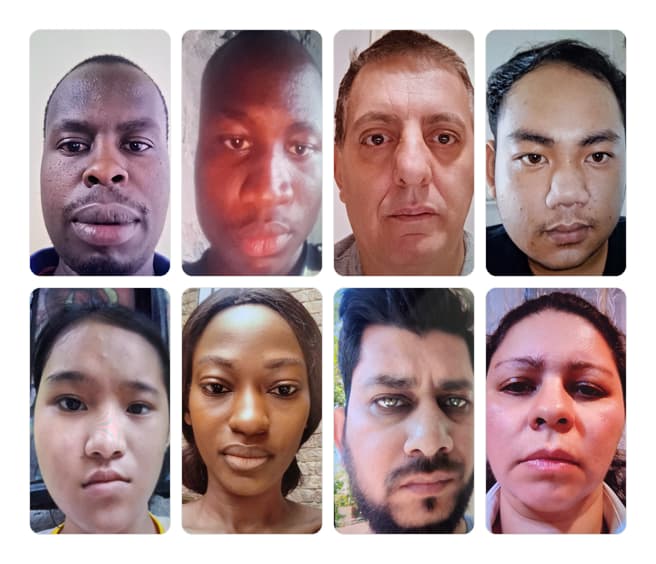

Display Replay Dataset for Liveness Detection

Replay Attack Dataset
for Anti-Spoofing

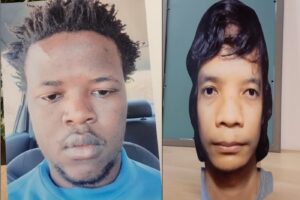
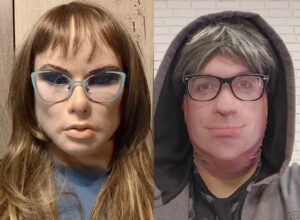
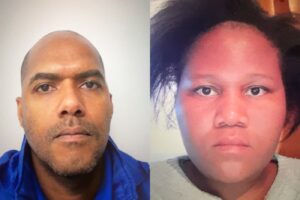
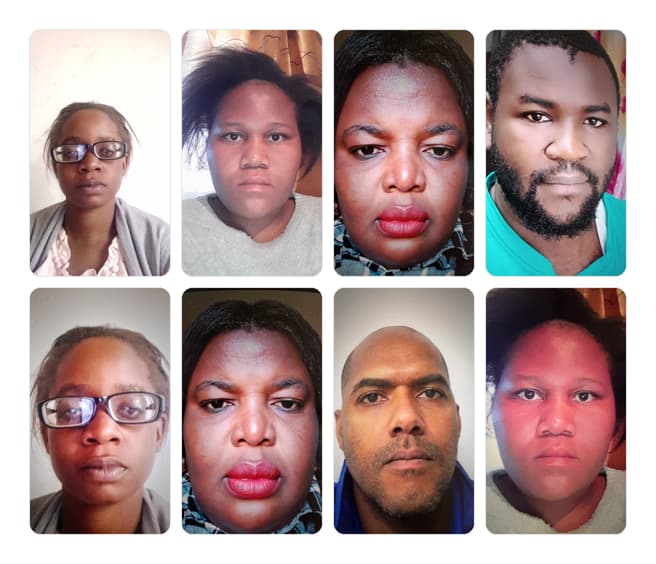
There are 9,000+ screen replay attacks using variety of devices 

Check samples on Kaggle

Dataset Summary

Parameter
Value
Volume
PC display replay attacks: 5,000+ videos
Mobile display replay attacks: 4,000+ videos
Total participants: 6,500+ across both components
Coverage
Display replay attacks across PC monitors, laptops, and mobile screens
Demographics
Adults aged 18–65, balanced gender, multi-ethnic
Devices
iOS and Android phones; PC monitors and laptops
Conditions
Indoor and outdoor, varied lighting, multiple display brightness levels

Introduction

The Display Replay Attack Dataset is a comprehensive training resource designed to improve anti-spoofing technology against display replay attacks across PC monitors, laptops, and mobile devices. It combines authentic selfies from over 6,500 participants with 9,000+ replay attacks performed across two distinct sub-collections: PC display replays (5,000+ videos) and mobile display replays (4,000+ videos). With diverse lighting conditions, devices, and display scenarios on both PC and mobile platforms, this dataset supports the development of robust liveness detection models for iBeta Level 1 certification, which tests biometric systems against ISO/IEC 30107-3 – the international standard for biometric presentation attack detection

PC Display Replay Attacks

5,000+ video replay attacks recorded on computer monitors and laptops


Key Characteristics:

  • Participants: 4,000+ diverse individuals (balanced gender and ethnicity representation)
  • Video Duration: Minimum 12 seconds per attack
  • Camera Movement: Dynamic angles with varied positioning
  • Devices: Multiple monitor brands and laptop screens
  • Conditions: Diverse lighting and environmental scenarios
  • Quality: High-quality selfies (720p or greater, no filters)
  • Certification: iBeta Level 1 standards

Authentic selfies were collected through voluntary contributions from 1,000+ participants. Replay attacks were then performed by displaying these selfies on various computer monitors and laptop screens, recorded from multiple dynamic angles to simulate realistic attack scenarios

Mobile Display Replay Attacks

4,000+ video replay attacks captured across smartphones 

Key Characteristics:

  • Participants: 2,300 diverse individuals (balanced gender and ethnicity representation)
  • Video Duration: ~5 seconds per attack with zoom sequences
  • Camera Movement: Zoom-in and zoom-out effects throughout
  • Devices: 15 different mobile devices (low, medium, and high-end smartphones)
  • Realism: No visible phone borders to mimic authentic attacks
  • Conditions: Various screen types, qualities, and lighting environments
  • Quality: High-quality selfies (720p or greater, no filters)
  • Certification: iBeta Level 1 standards

Authentic selfies were collected through voluntary contributions from 1,500 participants. Replay attacks were performed by displaying these selfies on 15 different mobile devices spanning various price ranges and screen qualities, captured with dynamic zoom effects to simulate realistic mobile-based attack behaviors

Academic Reference

The canonical academic benchmark for replay attack anti-spoofing research is the Idiap Replay-Attack Database, published by the Idiap Research Institute in 2012. Idiap Replay-Attack defined the methodology for testing presentation attack detection systems against display-based replay attacks and remains the foundational reference cited in thousands of face anti-spoofing research papers. Its mobile-focused extension, Idiap Replay-Mobile, covers smartphone-based replay attacks specifically

This commercial dataset complements both Idiap benchmarks with significantly more participants (4,000+ vs Idiap’s 50), modern smartphone and monitor capture conditions, larger sample diversity, and direct alignment with iBeta Level 1 PAD certification protocols under the ISO/IEC 30107-3 standard,  designed for production face recognition and liveness detection systems rather than research benchmarks alone

Use cases and applications

  • Display Replay Detection: Train liveness detection models specifically against PC and mobile screen replay attacks – the most common 2D presentation attack vector encountered in production verification flows
  • Multi-Platform Anti-Spoofing: Build models robust to replay attacks across heterogeneous attack surfaces, from desktop monitors to smartphone displays, in a single training set
  • iBeta Level 1 Certification Preparation: Test your liveness system against realistic display replay attack vectors before submitting to iBeta Level 1 certification

iBeta Success Stories

Datasets like this contributed to 21% of companies that passed iBeta certification in 2025 – all Axon Labs clients

Legal & Compliance

We prioritize data privacy, ethical AI development, and regulatory compliance. Our Replay Attack Dataset is collected and processed in full accordance with global data protection standards including GDPR, ensuring legality, security, and responsible AI practices

Download information

A sample version of this dataset is available on Kaggle. Leave a request for additional samples in the form below

Have a question?

Display replay attacks are 2D presentation attacks where an attacker replays a photograph or video of a target person on a screen (smartphone, laptop, or PC monitor) and re-records it with a second camera to bypass biometric verification. They are one of the most common attack vectors in real-world biometric fraud because they require only standard consumer hardware. Display replay attacks are tested at iBeta Level 1 PAD certification under ISO/IEC 30107-3, the international standard for biometric anti-spoofing

The dataset contains 9,000+ display replay attack videos from 6,500+ unique participants, split into two components: 5,000+ PC display replays (laptops and desktop monitors) and 4,000+ mobile display replays (smartphone screens). Attackers replay participants' own selfies and reference videos, then re-record with front-facing cameras on iOS and Android devices. Each video includes active liveness sequences (zoom-in, zoom-out) and varies across brightness levels, capture distances, and viewing angles. Phone borders are hidden from frame to prevent trivial bezel-detection bypass

The dataset targets iBeta Level 1 PAD certification - the entry tier of biometric presentation attack detection testing. iBeta Level 1 tests biometric systems against 2D attacks including display replays, under ISO/IEC 30107-3. Display replay attacks represent a significant share of real-world fraud attempts in KYC, banking onboarding, and identity verification flows, making this dataset foundational for any production liveness system seeking Level 1 certification

Participants' own reference selfies and videos were first collected, then displayed on smartphone screens (iOS and Android), laptop displays, and PC monitors. An attacking smartphone was held in front of each display to re-record the playback in front-facing (selfie) camera mode. Phone borders are deliberately hidden from frame during capture - a critical anti-detection technique that prevents models from relying on visible screen edges as a shortcut. Each video includes active liveness sequences (zoom-in, zoom-out) and varies across display brightness, capture distances, and viewing angles

The dataset is built for real-world L1 preparation through three quality dimensions. First, scale: 9,000+ videos across 6,500+ participants provide the demographic diversity needed to prevent overfitting. Second, attack breadth: dual coverage of PC and mobile replay surfaces ensures models generalize across the full range of replay hardware encountered in production fraud. Third, anti-detection techniques: hidden phone borders and realistic brightness/distance/angle variation force models to learn genuine liveness cues rather than trivial shortcuts. 21% of companies that passed iBeta certification in 2025 are Axon Labs clients

Yes. All data is collected with explicit written informed consent from every participant in compliance with GDPR Article 9, which specifically governs the processing of biometric data. Participants contributed their own selfies and reference videos as source material for the subsequent replay attacks, providing clear legal basis for data use. The dataset is licensed for commercial use in AI model training, validation, and iBeta certification preparation. Comprehensive compliance documentation is available upon request

Yes. A sample version of this dataset is available on request, you can verify attack diversity across both PC and mobile replay components, video quality, active liveness sequences, and format compatibility with your training pipeline before committing to the full dataset. Submit a request through the form on this page for sample access, typically delivered within 1–2 business days

Contact us

Tell us about yourself, and get access to free samples of the dataset 

Didn't find what you were looking for?

Our collection includes many datasets for various requests

© 2022 – 2026 Copyright protected