

Silicone Mask Attack Dataset for Face Anti-Spoofing

Silicone Mask PAD Dataset

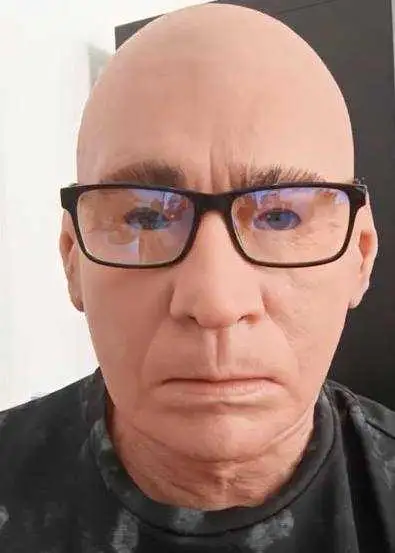
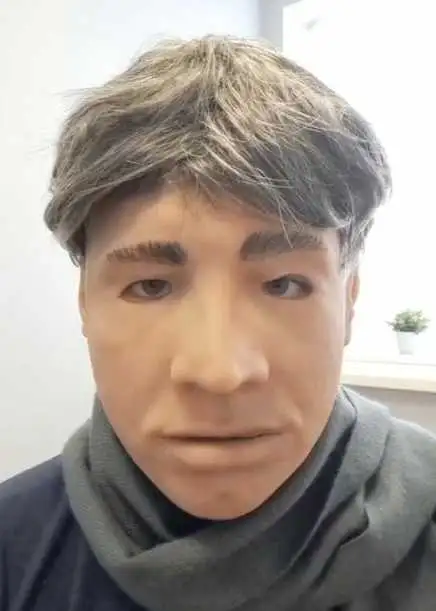
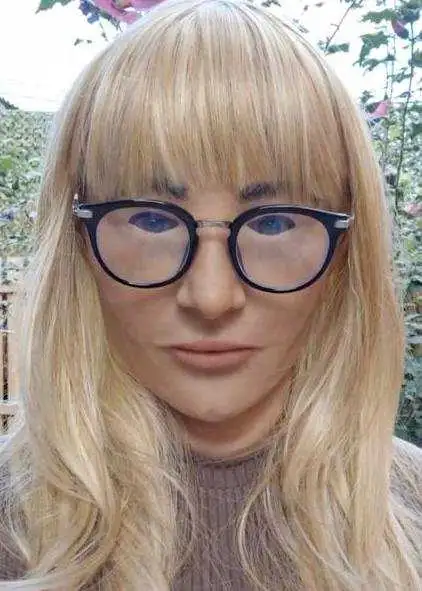
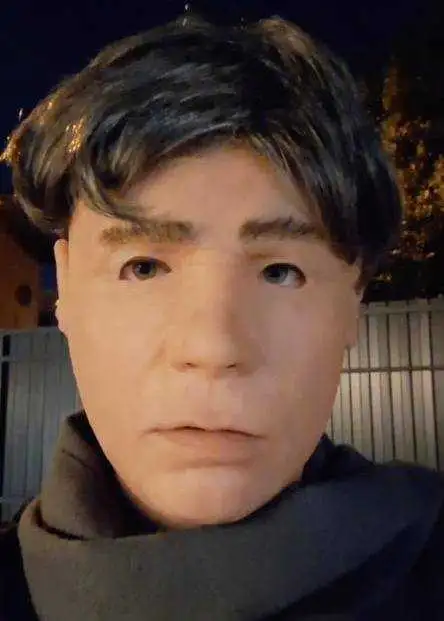
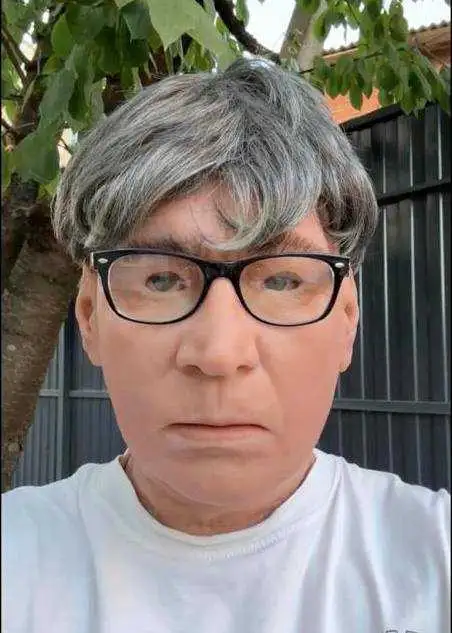
There are 12,500+ videos from 18 Silicone mask attacks tailored 

for iBeta level 2 certification

Check samples on Kaggle

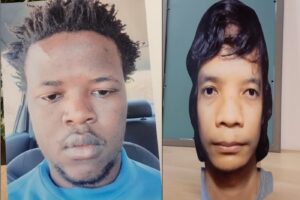
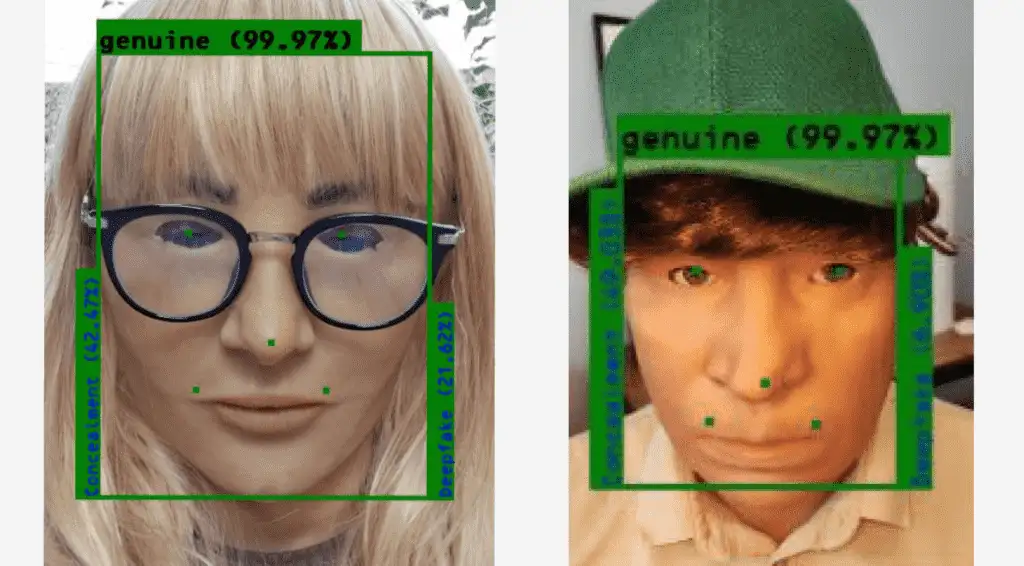
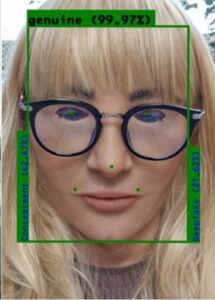
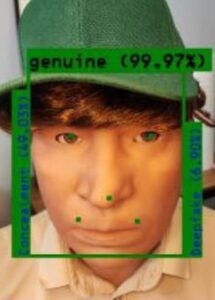
Successfull Spoofing attack on a Liveness test by Doubango 

Dataset Summary

Parameter
Value
Volume
12,500+ videos with 18 high-detail silicone masks
Coverage
Silicone mask presentation attacks with ~40 attribute combinations for iBeta Level 2 PAD
Demographics
18 mask identities across mixed gender and adult age range
Devices
iOS and Android phones (8 device models)
Conditions
4 office spaces, 4 home apartments, 2 outdoor locations, 3 lighting levels (low, medium, bright)

What Is a Silicone Mask Attack?

The Silicone Mask PAD Dataset provides 12,500+ attack videos across 18 high-detail silicone masks, designed for training and validating liveness detection models against 3D silicone mask presentation attacks, the primary attack vector tested in iBeta Level 2 certification. Each mask is recorded with ~40 attribute combinations (hairstyles, glasses, wigs, beards) across 10 distinct indoor and outdoor locations under three lighting levels. iBeta Level 2 certification tests biometric systems against ISO/IEC 30107-3 – the international standard for biometric presentation attack detection

The academic baseline for silicone mask research is the Idiap CSMAD/XCSMAD dataset. This commercial dataset extends to 18 masks with broader demographics and accessory variations

Dataset Features

  • High-detail silicone construction: All 18 masks professionally manufactured for realistic skin texture
  • Active liveness sequences: Natural head movements and blinking per video
  • Cross-device per mask: Every mask recorded on all 8 device models
  • Indoor/outdoor split: Controlled office and home scenes plus uncontrolled outdoor capture

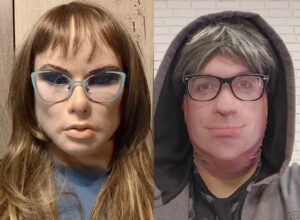
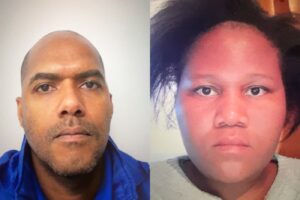
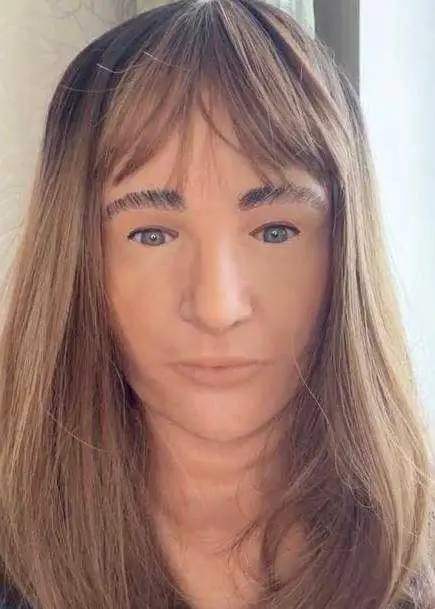
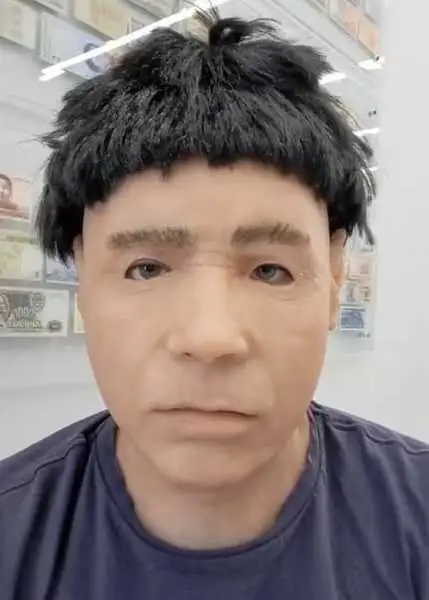
Samples of Indoor video attacks:

Samples of Outdoor video attacks:

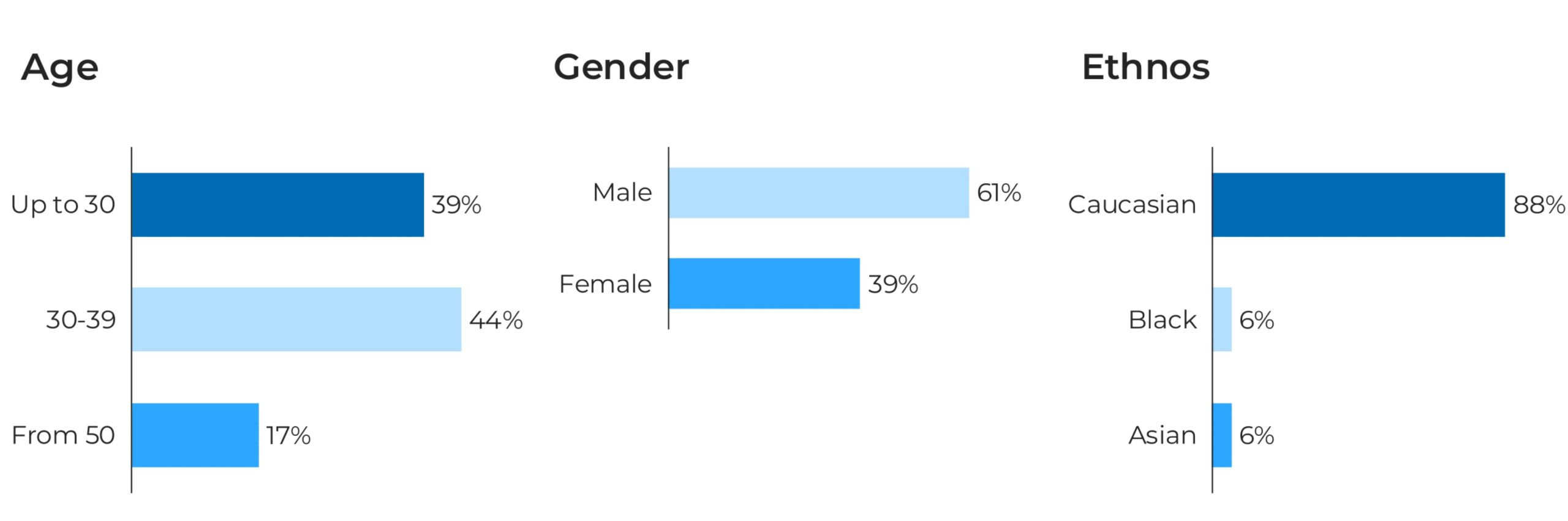
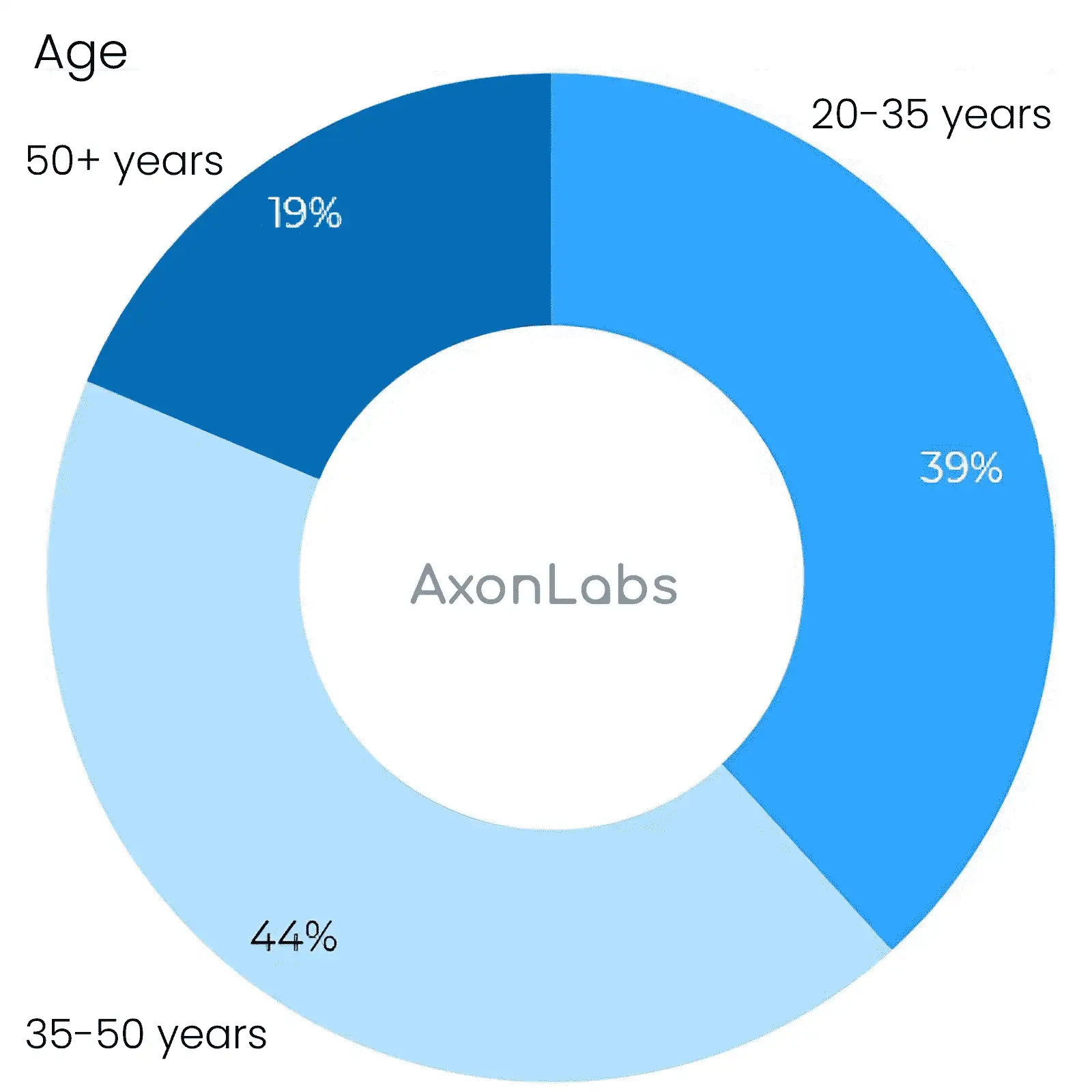
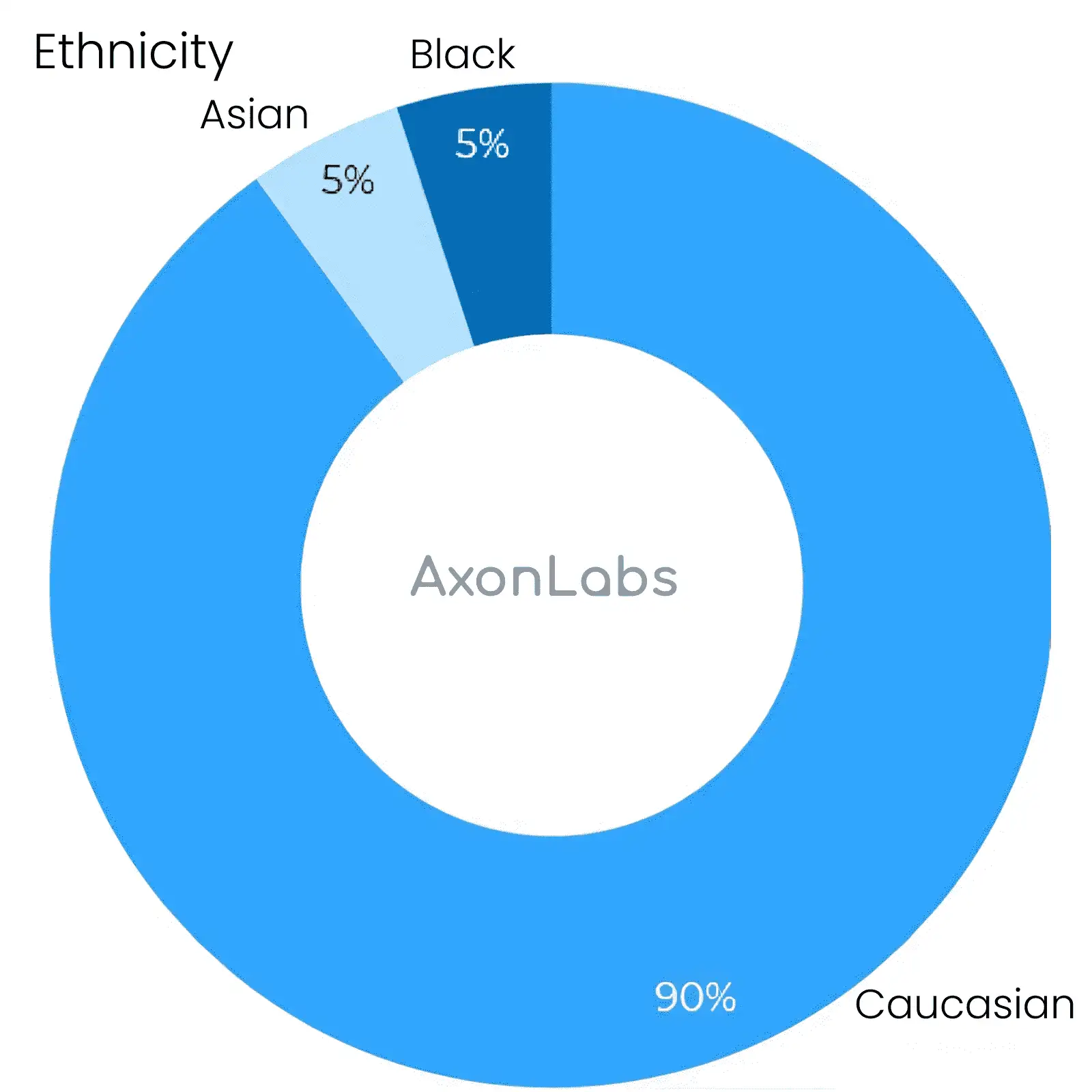
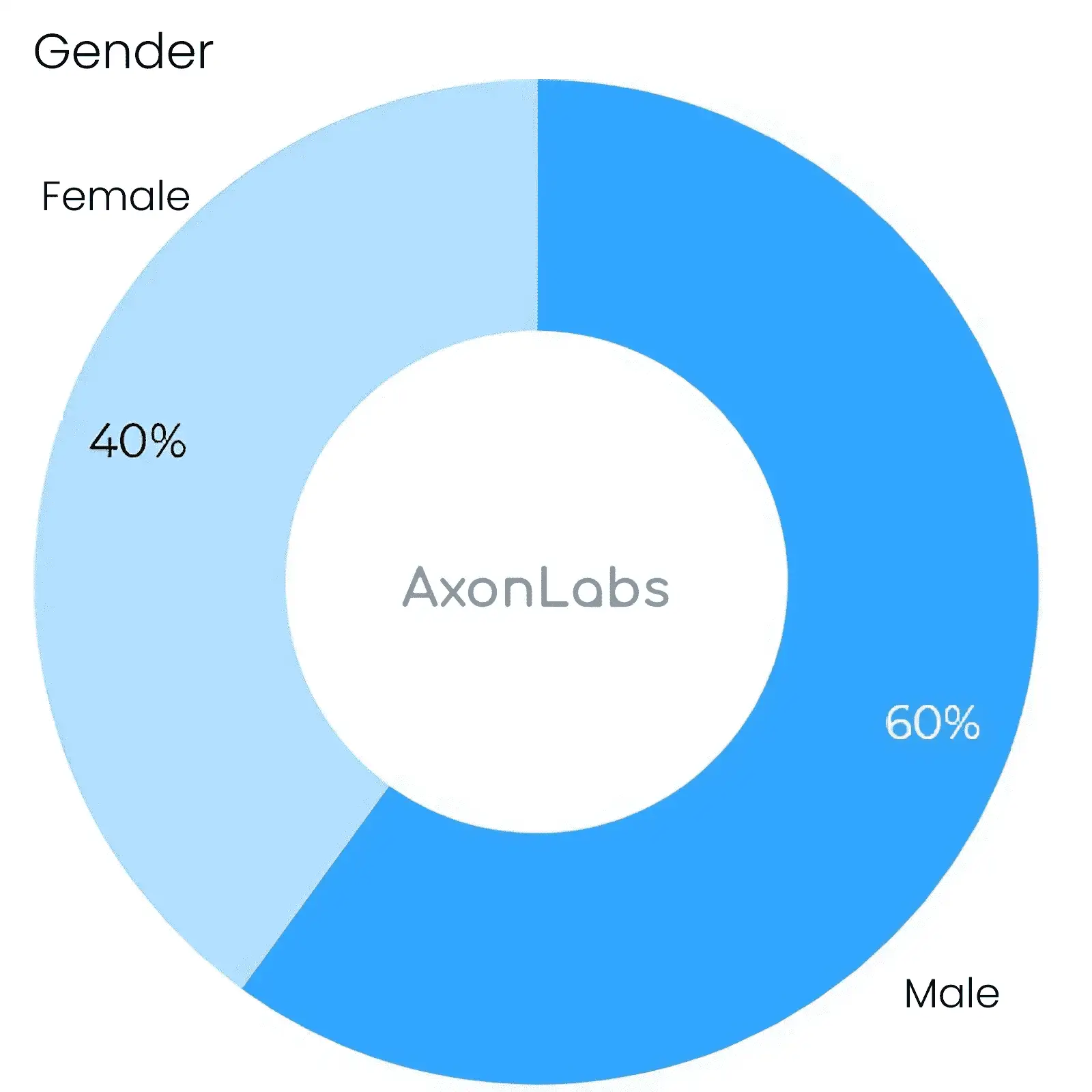
Structure of the Dataset, % (N = 18 IDs)

Structure of the dataset with 18 Silicone masks

Source and collection methodology

We captured realistic silicone mask attacks with front-facing cameras across 18 high-detail masks, varied environments, and attribute combinations. Each clip follows an active liveness script (natural head movements, blinking) and covers multiple lighting scenarios. Data collection complies with GDPR Article 9 for the processing of biometric data.

Models of recording devices:

  • IOS: iPhone 14, iPhone 14 Pro, iPhone 13 Pro
  • Android: Galaxy S23, Xiaomi Redmi Note 12 Pro+, Galaxy A54, Pixel 7, Honor 70

Real-World Validation: Open Liveness Model Stress Test

To demonstrate the practical value of this dataset, we tested its samples against Doubango’s open-source face liveness model – a publicly available liveness detection SDK used as a reference implementation by anti-spoofing researchers and developers.

Key result: Doubango’s liveness classifier rated the partial paper mask attack below as 99.97% genuine 

Training Models Against Silicone Mask Attacks

This dataset is used to train face anti-spoofing models and liveness detection systems to recognize silicone mask presentation attacks. ML engineers integrate this data alongside 2D attack datasets to build robust anti-spoofing models for iBeta Level 2 certification and production biometric authentication systems

Use cases and applications

  • Face Anti-Spoofing & PAD: Train presentation attack detection models to identify partial paper overlay attacks – a blind spot for systems trained only on full-face prints, replay attacks, or 3D masks

  • Liveness Detection: Improve liveness detection robustness by exposing models to attacks where real facial movement co-exists with printed fragments, challenging motion-based and texture-based detectors simultaneously

  • iBeta Certification Preparation: Test your liveness system against realistic 2D partial attacks before submitting to iBeta Level 1 or Level 2 certification 

Customer Success: PAD Certification Cases

Datasets like this contributed to 21% of companies that passed iBeta certification in 2025 – all Axon Labs clients

File format and accessibility

  • Format: Videos are optimized for compatibility with mainstream ML frameworks
  • Resolution and frame rate: Videos are high-resolution with frame rates calibrated for capturing quick and realistic mask placements, ensuring precise data for model training

Potential customisation options:

  • Filming videos attacks with targeted movements (E.g. – Zoom In / Zoom Out)
  • Filming videos attacks for you on target devices (for example, webcams)
  • Using your SDK for custom attack scenarios spoofing your ML model
  • Use RGB and USB cameras to support diverse research and testing needs
  • For two masks, video recordings are available from the back camera, capturing multiple angles (close-up, far, left, and right)

Related Anti-Spoofing Datasets

Legal & Compliance

We prioritize data privacy, ethical AI development, and regulatory compliance. Our Silicone Mask Attack Dataset is collected and processed in full accordance with global data protection standards including GDPR, ensuring legality, security, and responsible AI practices

Sample dataset

A sample version of this dataset is available on Kaggle. Leave a request for additional samples in the form below

Have a question?

Silicone mask attacks are 3D presentation attacks where an attacker wears a professionally manufactured silicone mask designed to replicate a target person's facial features with photorealistic skin texture and depth. Silicone masks are the flagship attack class tested at iBeta Level 2 PAD certification - more sophisticated than 2D print or replay attacks, and harder to detect because real skin texture is impossible to distinguish from high-quality silicone without advanced liveness cues. Testing follows ISO/IEC 30107-3 Level 2 requirements

The dataset contains 12,500+ videos across 18 high-detail silicone masks, approximately 700 videos per mask identity for deep within-mask training. Each mask is recorded with ~40 attribute combinations (hairstyles, glasses, wigs, beards) to maximize within-identity diversity. Videos are captured on 8 iOS and Android device models across 10 distinct locations (4 office spaces, 4 home apartments, 2 outdoor scenes) under three lighting tiers (low, medium, bright), with active liveness sequences (natural head movements, blinking) in every video

Silicone, paper, and replay attacks are three fundamentally different presentation attack vectors, each defeating face recognition and
liveness detection systems through different means.

Paper attacks (cutouts, eyeholes masks, wrapped paper masks) are 2D presentations where a printed photo is held up or shaped to
mimic a face. They are the simplest presentation attack class and are primarily tested in iBeta Level 1 PAD certification.

Replay attacks display a previously captured photo or video on a secondary screen — smartphone, laptop, or monitor. They retain
motion and color but exhibit characteristic moiré patterns, screen edges, and pixelation that anti-spoofing models can detect.

Silicone mask attacks are 3D physical artifacts that reproduce facial geometry, skin texture, and even subtle reflectance properties. Unlike 2D paper or screen-based replay attacks, silicone masks have real depth and can defeat infrared- and motion-based liveness detection. They are tested in iBeta Level 2 PAD certification and are significantly harder to detect than 2D attack vectors.

Silicone masks are the hardest presentation attack vector to detect because they replicate the physical and optical properties of realmhuman faces more faithfully than any other attack type.

First, silicone has reflectance and translucency similar to human skin — defeating texture-based face anti-spoofing models that look for paper grain, screen pixelation, or color artifacts characteristic of paper or replay attacks.

Second, silicone masks have true 3D facial geometry — defeating depth-based and infrared (IR) liveness detection systems that distinguish 2D presentations from genuine 3D faces.

Third, modern high-fidelity silicone masks include movable elements (eyes, mouth) and can be combined with accessories such as wigs, glasses, and beards to mimic active liveness signals like natural blinking and head motion.

This is why iBeta Level 2 PAD certification specifically test against silicone mask attacks — they represent the upper bound of presentation attack realism that production face recognition and biometric authentication systems must defeat under the ISO/IEC 30107-3 standard.

Attacks were captured using front-facing (selfie) cameras on 8 iOS and Android device models: iPhone 14, iPhone 14 Pro, iPhone 13 Pro, Galaxy S23, Xiaomi Redmi Note 12 Pro+, Galaxy A54, Pixel 7, and Honor 70. Each of the 18 silicone masks is recorded across approximately 40 attribute combinations: hairstyles, glasses, wigs, beards, in 10 distinct locations (4 office spaces, 4 home apartments, 2 outdoor scenes) under three lighting tiers (low, medium, bright). Every video includes active liveness sequences: natural head movements and zoom-in/zoom-out

Yes. All data is collected with explicit written informed consent from every participant in compliance with GDPR Article 9, which specifically governs the processing of biometric data. The dataset is licensed for commercial use in AI model training, validation, and iBeta certification preparation. Comprehensive compliance documentation, including consent provenance, collection methodology, and legal basis review, is available upon request for regulatory or audit purposes

Yes. A sample version of this dataset is available on request, you can verify silicone mask quality, the attribute combination diversity, active liveness sequences, and format compatibility with your training pipeline before committing to the full dataset. Submit a request through the form on this page for sample access, typically delivered within 1–2 business days

Contact us

Tell us about yourself, and get access to free samples of the dataset 

Didn't find what you were looking for?

Our collection includes many datasets for various requests

© 2022 – 2026 Copyright protected