
Photo Print Dataset

Photo Print Attacks Dataset

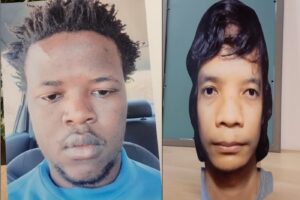
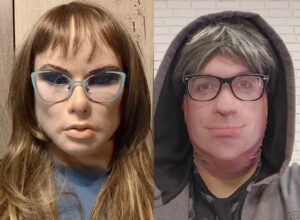
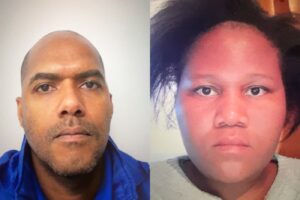
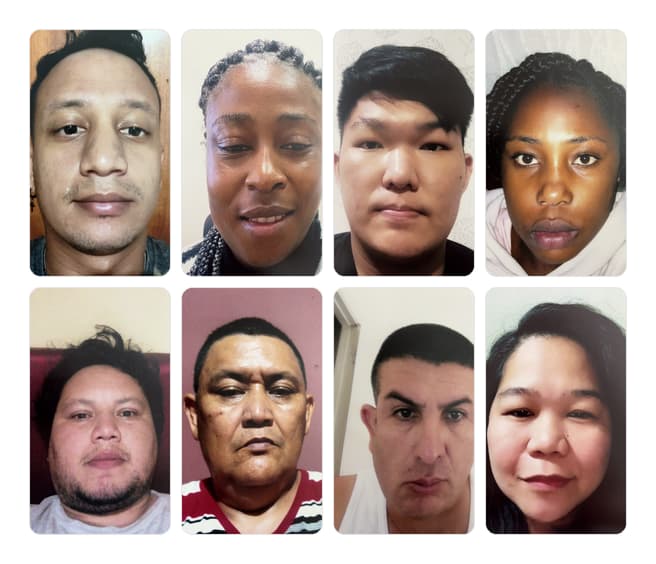
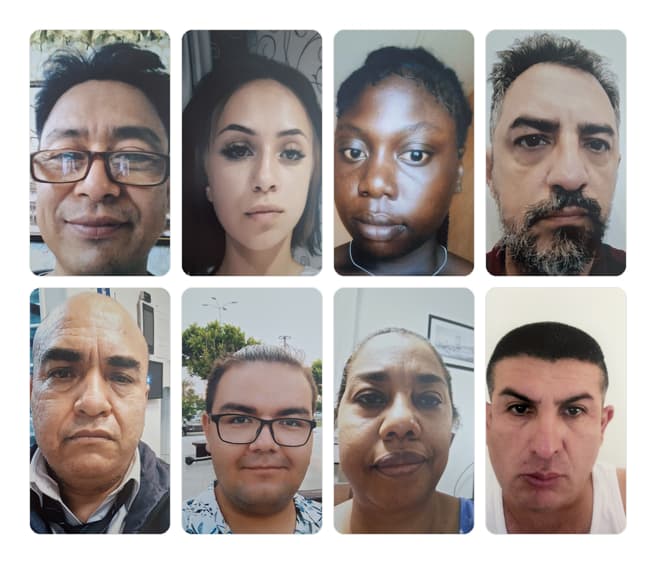
Face Anti-Spoofing Liveness dataset of 3,000+ people and 7,000+ High-Res Print attacks with Zoom in effect

Check samples on Kaggle

Dataset summary

Parameter
Value
Volume
7,000+ photo print attack videos from 3,000+ unique participants
Coverage
Photo print presentation attacks for iBeta Level 1 PAD certification
Demographics
Adults aged 18–65, mixed gender, multi-ethnic
Devices
iOS and Android phones
Conditions
Indoor and outdoor, varied lighting, multiple print quality levels

Introduction

The Photo Print Attacks Dataset offers 7,000+ presentation attack videos from 3,000+ unique participants, designed for training and validating liveness detection models against photo print spoofing, one of the most common 2D attack vectors tested in iBeta Level 1 certification. Each video is 10–20 seconds long and follows an active liveness protocol. This dataset has been used in both iBeta and NIST FATE (Face Analysis Technology Evaluation) testing pipelines. iBeta certification tests biometric systems against ISO/IEC 30107-3 – the international standard for biometric presentation attack detection

Dataset features

  • Per-participant variation: Multiple attack scenarios per identity, not just one shot per person
  • Active liveness sequences: 10–20 sec videos with zoom-in and zoom-out phases
  • High-fidelity prints: Realistic skin tones and color reproduction
  • Border-free presentation: Paper edges hidden during zoom phase to prevent edge-detection shortcuts

Source and collection methodology

We captured realistic photo print attacks using printed photographs of participants’ faces presented to front-facing smartphone cameras under varied conditions. Each clip follows an active liveness script (zoom-in/zoom-out, natural head turns/blinks) and lasts 10–20 seconds. Data collection complies with GDPR Article 9 for the processing of biometric data

Real-World Validation: Open Liveness Model Stress Test

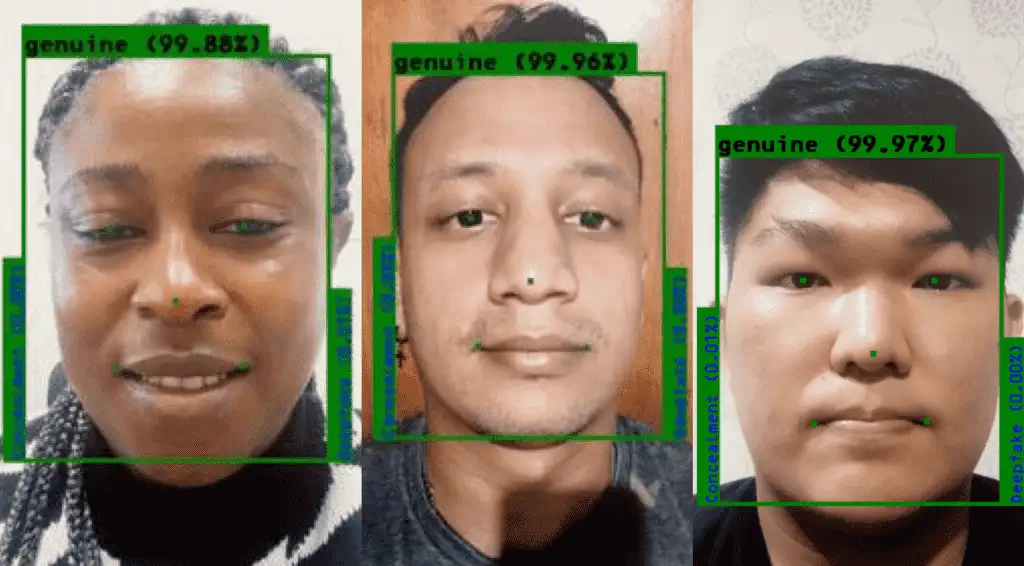
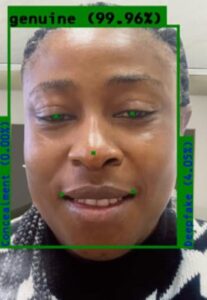
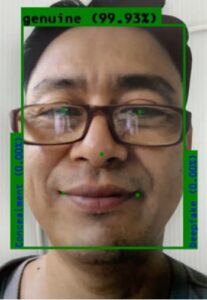
To demonstrate the practical value of this dataset, we tested its samples against Doubango’s open-source face liveness model – a publicly available liveness detection SDK used as a reference implementation by anti-spoofing researchers and developers

Key result: Doubango’s liveness classifier rated the high-fidelity mask attack below as 99.93% genuine

Use cases and applications

  • Photo Print Attack Detection: Train presentation attack detection models specifically against printed photo spoofing, the most accessible and frequently attempted attack type in real-world fraud scenarios
  • Liveness Detection Robustness: Improve liveness models’ ability to distinguish genuine selfies from static printed faces under varied lighting, print quality, and capture angles
  • iBeta Level 1 Certification Preparation: Test your liveness system against realistic photo print attacks before submitting to iBeta Level 1 certification
  • Multi-Platform Deployment Validation: Validate anti-spoofing performance across iOS and Android capture devices against standardized print attack vectors

iBeta Certification Success Stories

Datasets like this contributed to 21% of companies that passed iBeta certification in 2025 – all Axon Labs clients

Other Datasets for iBeta 1:

Legal & Compliance

We prioritize data privacy, ethical AI development, and regulatory compliance. Our Silicone Mask Attack Dataset is collected and processed in full accordance with global data protection standards including GDPR, ensuring legality, security, and responsible AI practices

Download information

A sample version of this dataset is available on Kaggle. Leave a request for additional samples in the form below

Have a question?

Photo print attacks are the most common 2D presentation attack vector in biometric fraud, an attacker presents a printed photograph of a target person to a camera to impersonate that person's identity. Despite being simpler than 3D mask attacks, photo print attacks remain effective against liveness systems that rely on surface texture alone. Photo print attacks are the primary attack class tested at iBeta Level 1 PAD certification under ISO/IEC 30107-3

The dataset contains 7,000+ photo print attack videos from 3,000+ unique participants, approximately 2–3 videos per identity for within-participant variation. Each video is 10–20 seconds long, captured with front-facing (selfie) cameras on iOS and Android devices, and includes explicit zoom-in and zoom-out phases to support active liveness detection benchmarking. Prints use realistic skin-tone color reproduction and standardized flat geometry, with paper borders hidden from frame during capture to prevent trivial edge-detection bypas

The dataset targets iBeta Level 1 PAD certification - the entry tier of biometric presentation attack detection testing. iBeta Level 1 tests liveness systems against 2D attacks including photo prints, under ISO/IEC 30107-3. Photo print attacks are the most frequently attempted attack type in real-world biometric fraud, making L1 certification the foundational requirement for any production liveness system used in KYC, banking onboarding, or identity verification

This datasets target iBeta Level 1 but cover different attack classes: Photo Print Attacks use full flat printed photographs presented straight-on to the camera. Display Replay Attacks re-record videos played back on smartphone, laptop, or PC screens. For comprehensive L1 coverage, training on all of these attack classes is recommended

Photo print attacks were captured by presenting printed photographs to front-facing cameras on iOS and Android smartphones, with controlled variation in angle, distance, and lighting. Prints use high-fidelity color reproduction with realistic skin tones to eliminate obvious print artifacts. Each video follows an active liveness protocol with zoom-in and zoom-out phases, during which paper borders are hidden from frame - a deliberate anti-detection technique that prevents models from relying on visible paper edges as a shortcut for spoof detection. All captures use flat, unfolded photos presented straight-on to the camera

The dataset is built for real-world Level 1 preparation through three quality dimensions. First, scale: 7,000+ videos across 3,000+ unique identities provide the demographic diversity needed to prevent overfitting. Second, anti-detection techniques: hidden paper borders and high-fidelity print quality force models to learn genuine liveness cues rather than trivial texture shortcuts. 21% of companies that passed iBeta certification in 2025 are Axon Labs clients

Yes. All data is collected with explicit written informed consent from every participant in compliance with GDPR Article 9, which specifically governs the processing of biometric data. The dataset is licensed for commercial use in AI model training, validation, and iBeta certification preparation. Comprehensive compliance documentation, including consent provenance, collection methodology, and legal basis review, is available upon request for regulatory or audit purposes

Yes. A sample version of this dataset is available on request, you can verify attack diversity across the 3,000+ participant base, video quality, active liveness sequences, and format compatibility with your training pipeline before committing to the full dataset. Submit a request through the form on this page for sample access, typically delivered within 1–2 business days

Contact us

Tell us about yourself, and get access to free samples of the dataset 

Didn't find what you were looking for?

Our collection includes many datasets for various requests

© 2022 – 2026 Copyright protected